Water Level Sensor
WLS-10BLE
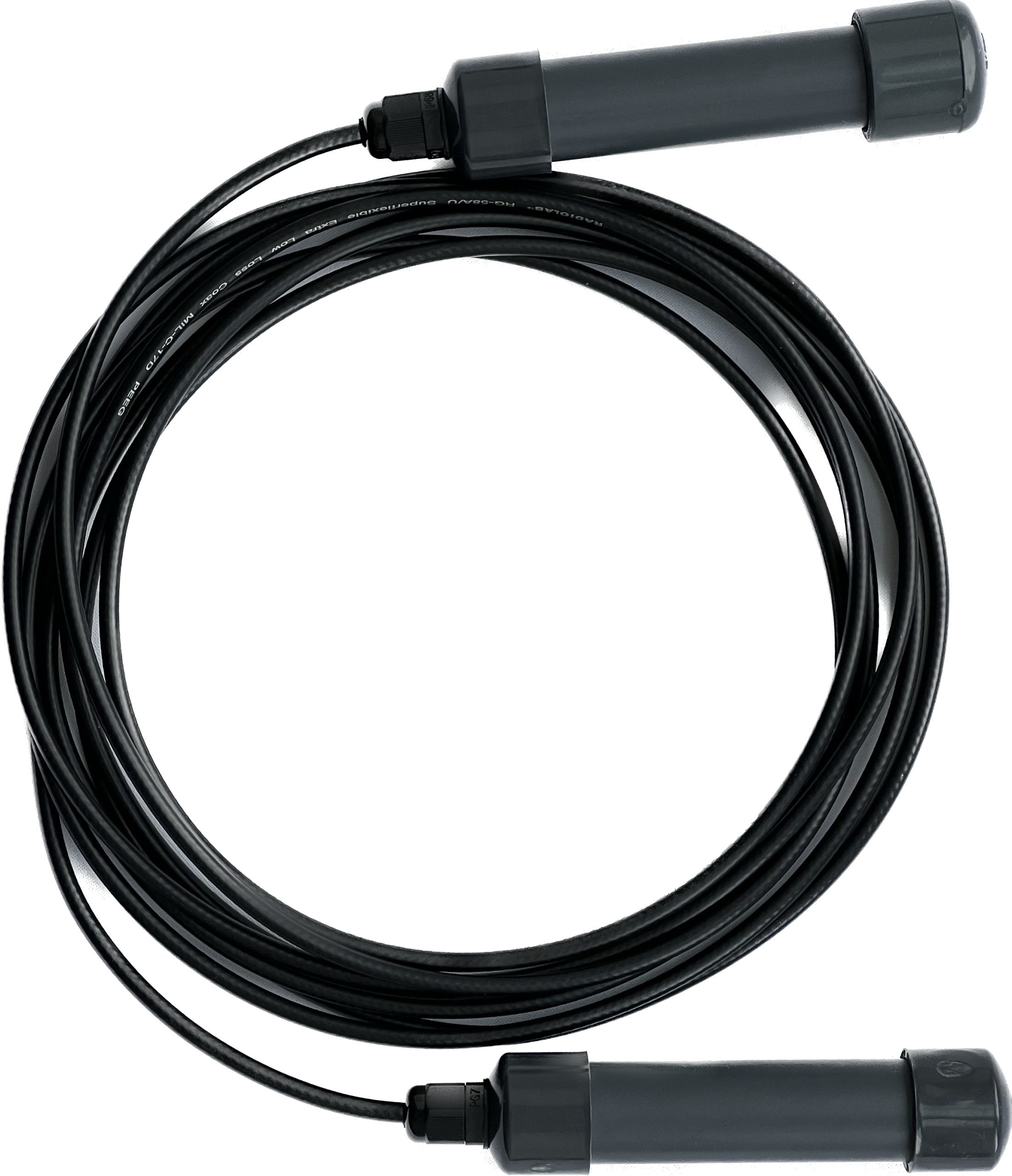
wanwave’s water level sensor is a versatile and reliable solution for monitoring water levels in tanks, reservoirs, wells, and other bodies of water.
The sensor’s autonomous design allows it to be used in a wide range of applications, from smart agriculture to smart cities and transportation infrastructure.
The WLS-10BLE measures water level and transmits readings over wanwave LPWAN, helping operators track changes remotely and identify conditions that need attention. It provides accuracy of ±0.5 cm through an underwater sensing unit connected to an above-water unit by a cable up to 10 metres long. BLE supports local configuration.
MEASUREMENTS
Water level
COMMUNICATION
wanwave LPWAN
POWER SUPPLY
Replaceable 14505 (AA) battery
ENCLOSURE RATING
IP68
Applications

Agriculture
Track temperature and humidity to support healthy crops and resilient operations.
Explore solution →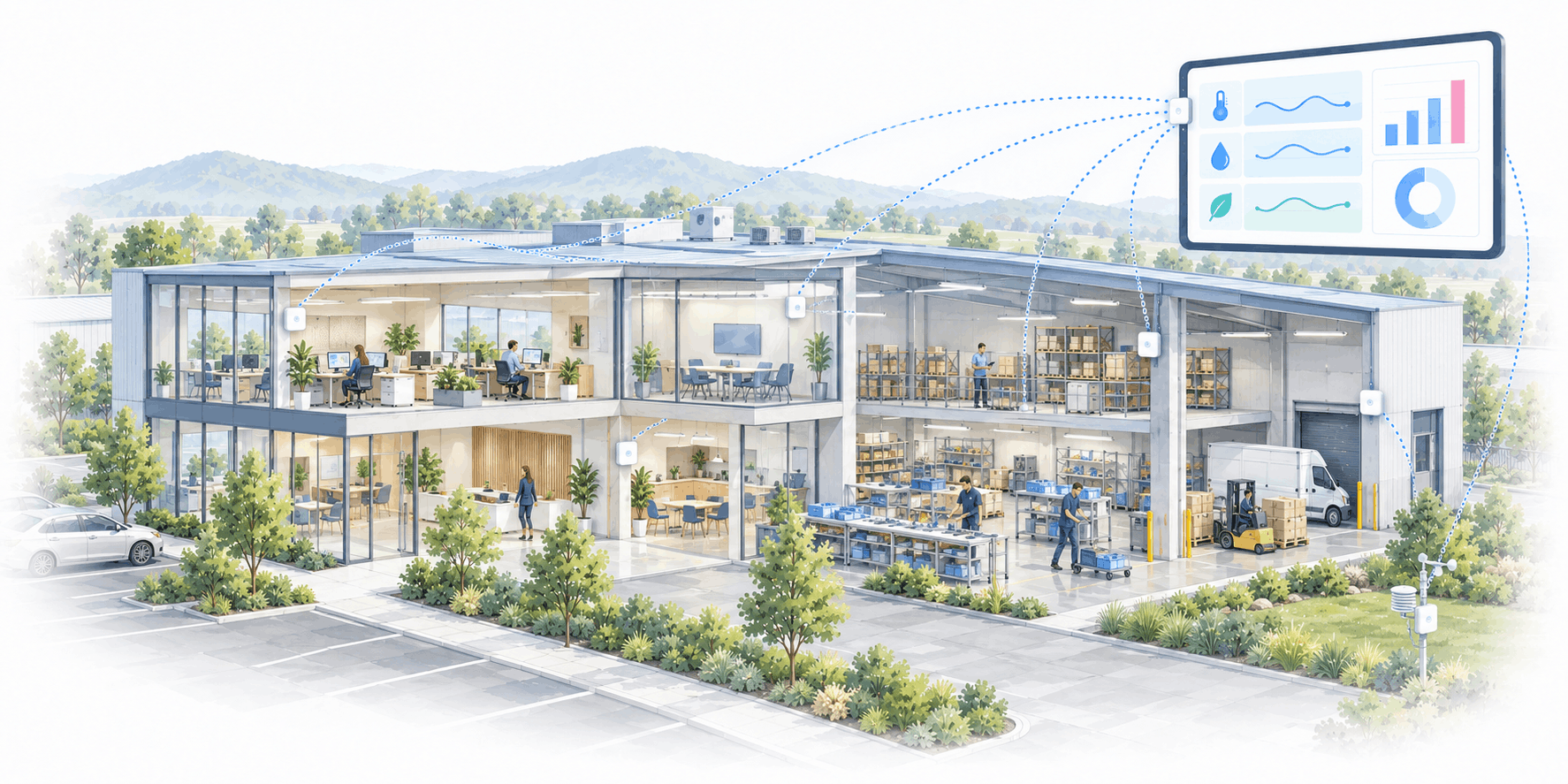
Buildings
Monitor indoor conditions to support occupant comfort and operational efficiency.
Explore solution →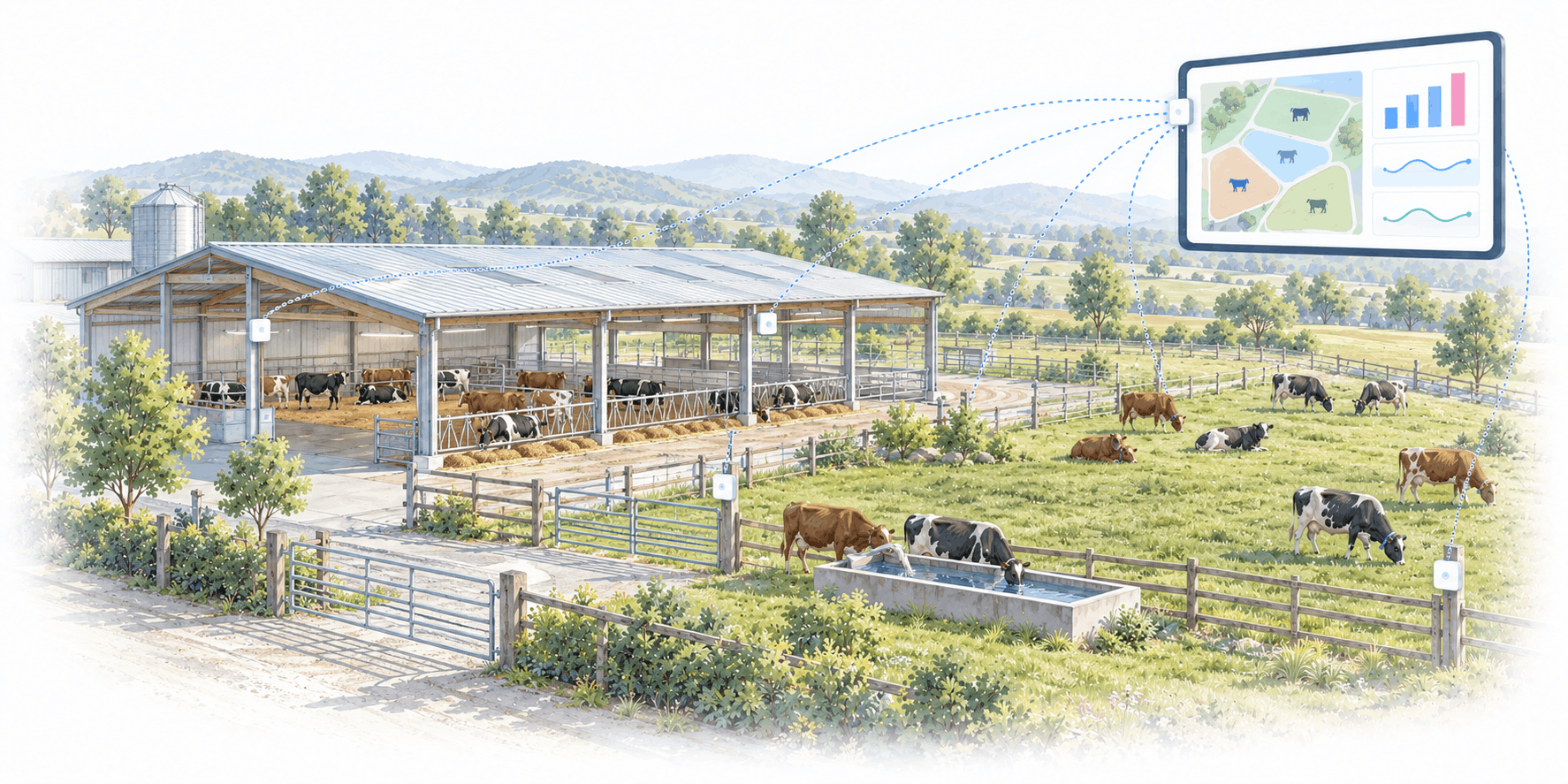
Cattle monitoring
Monitor cattle presence and movement between zones, with insights and alerts that help identify changes in animal behaviour.
Explore solution →Technical specifications
| Model number | WLS-10BLE |
|---|---|
| Measurements | Water level |
| Measurement accuracy | ±0.5 cm |
| Communication interface | wanwave LPWAN |
| Configuration interface | Bluetooth |
| Power supply | Replaceable 14505 (AA) battery |
| Enclosure rating | IP68 |
| Operating conditions | 0°C to +80°C |
| Dimensions | Above-water unit: 95 × 60 × 60 mm; Underwater unit: 50 × 20 × 20 mm; Cable length: up to 10 m |
| Weight | 400 g, including cable |
| Battery life & conditions | 7 years |
Connectivity & integration
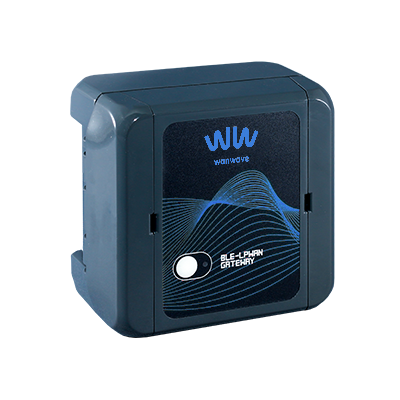
Transmits water-level readings over wanwave LPWAN with transmission power below 25 mW. Requires wanwave gateway coverage. BLE is used for local configuration. The underwater sensing unit connects to the above-water unit through a cable up to 10 metres long.
Documents
Product datasheet (PDF) →Related products
What do you need to monitor or protect?
Tell us about your operation, the information you need, and the decisions it should support. We’ll discuss suitable technologies, integration requirements, and a practical next step.