Mini Network Gateway 30 GSM
WNG-30-GSM
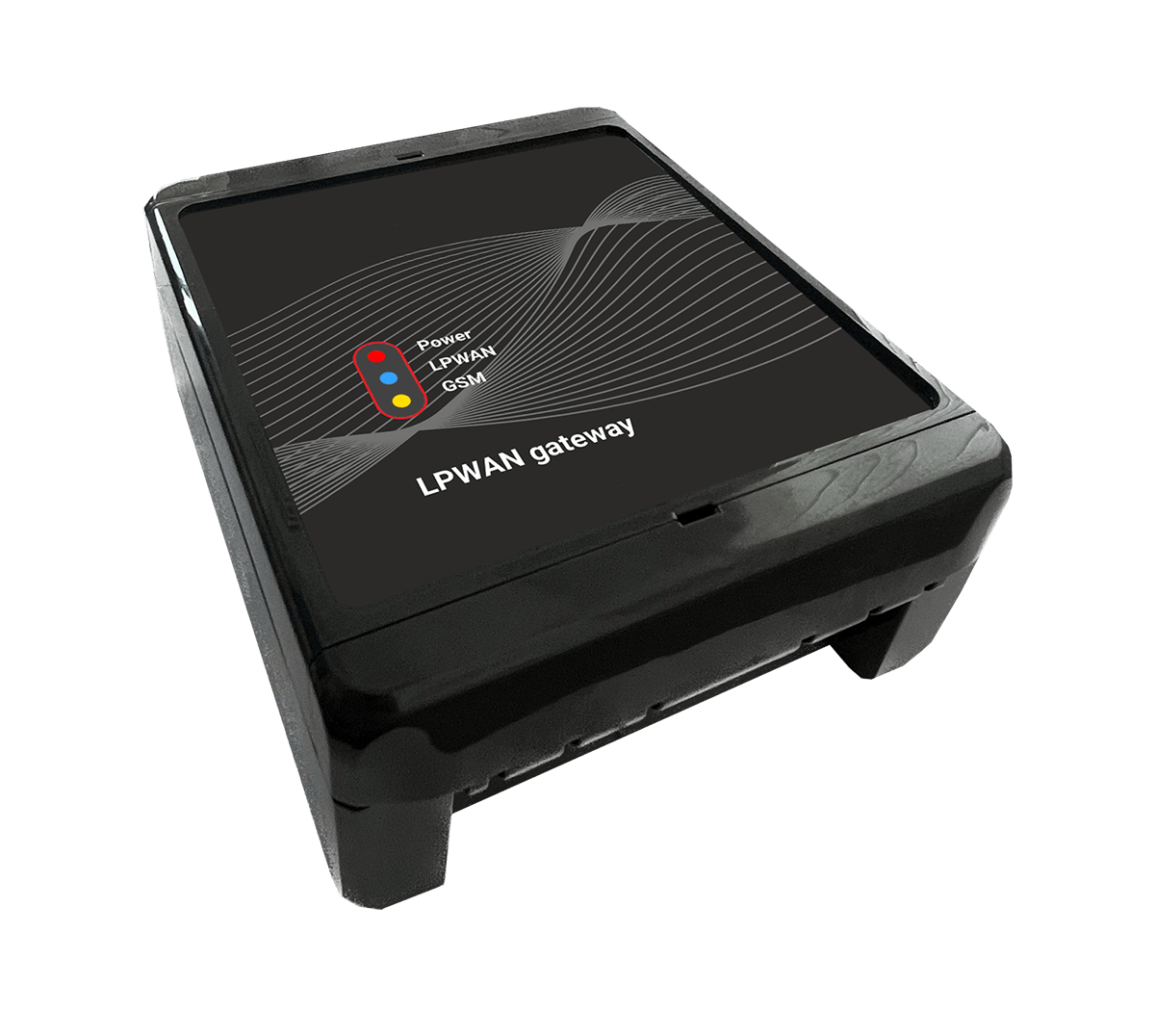
The WNG-30-GSM receives data from wanwave LPWAN devices and forwards it to the connected system through a GSM/LTE uplink. Its cellular connection supports sensor-network installations where a wired network is unavailable, helping teams collect data from distributed devices through a single gateway.
Powered by an external 12 V, 15 W supply, the gateway includes GNSS support, over-the-air firmware updates and monitoring of reception and noise levels. Its IP68-rated enclosure measures 150 × 130 × 60 mm and weighs 450 g, with an operating temperature range of -40°C to +80°C.
MEASUREMENTS
COMMUNICATION
wanwave LPWAN, GSM/LTE
POWER SUPPLY
External 12 V, 15 W
ENCLOSURE RATING
IP68
Applications

Agriculture
Track temperature and humidity to support healthy crops and resilient operations.
Explore solution →
Buildings
Monitor indoor conditions to support occupant comfort and operational efficiency.
Explore solution →
Waste management
Monitor bin fill status and plan collections around the bins that need emptying.
Explore solution →
Personnel monitoring
Monitor staff presence and movement between facility zones to support safety, coordination, and accountability.
Explore solution →Technical specifications
| Model number | WNG-30-GSM |
|---|---|
| Communication interface | wanwave LPWAN, GSM/LTE |
| Power supply | External 12 V, 15 W |
| Enclosure rating | IP68 |
| Operating conditions | -40°C to +80°C |
| Dimensions | 150 × 130 × 60 mm |
| Weight | 450 g |
Connectivity & integration
Receives device transmissions over wanwave LPWAN and uses GSM/LTE for its uplink. Requires cellular coverage, an appropriate SIM/data service and an external 12 V, 15 W power supply. Includes GNSS support, OTA firmware updates, a one-minute control-message interval, and reception-level and noise-level monitoring.
Documents
Product datasheet (PDF) →
What do you need to monitor or protect?
Tell us about your operation, the information you need, and the decisions it should support. We’ll discuss suitable technologies, integration requirements, and a practical next step.