Mini Network Gateway 30 Ethernet
WNG-30-ETH
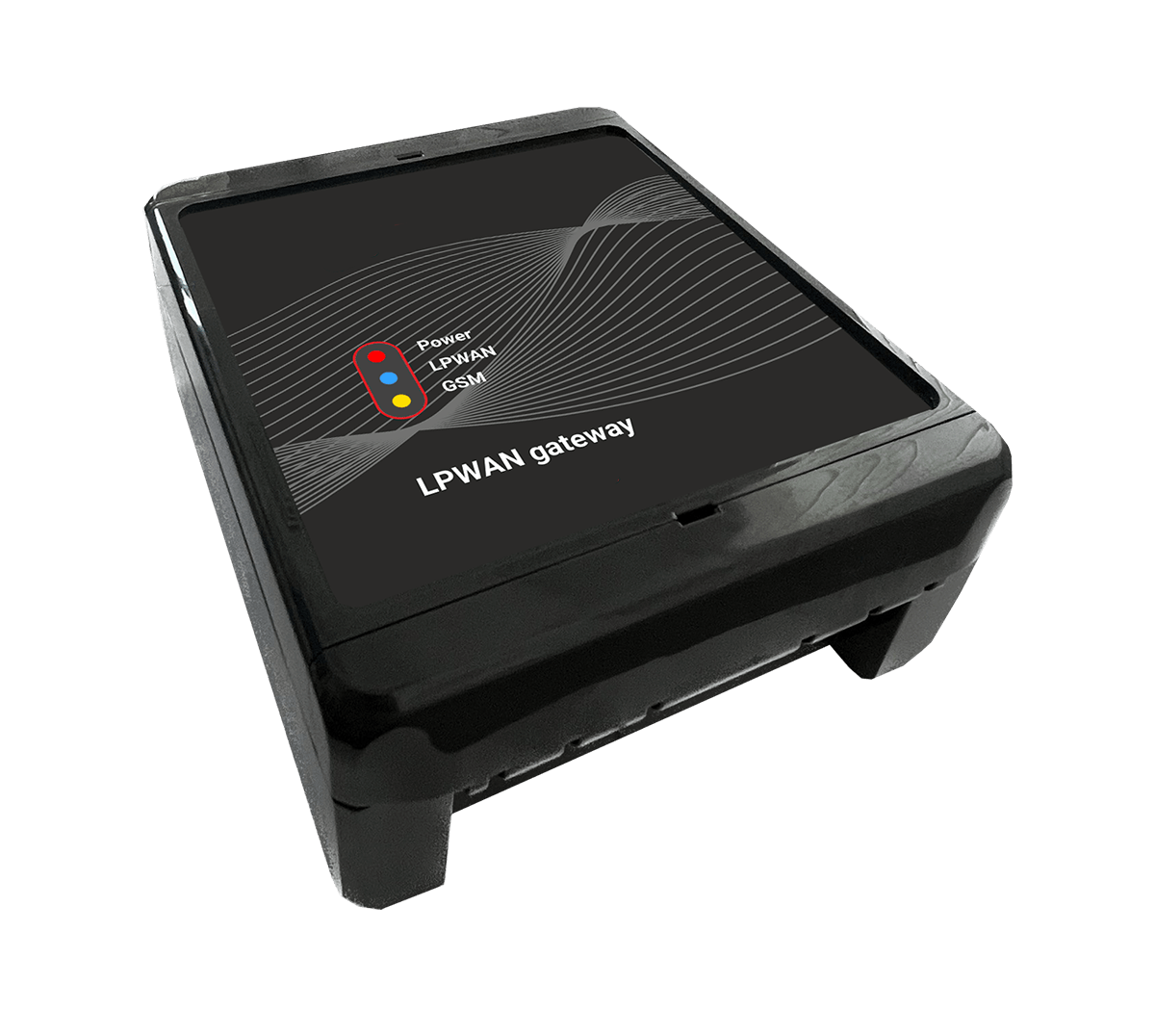
The WNG-30-ETH receives data from wanwave LPWAN devices and forwards it to the connected system through an Ethernet uplink. It connects the sensor network to an existing wired network, helping teams collect data from distributed devices through a single gateway.
Powered by an external 12 V, 15 W supply, the gateway includes GNSS support, over-the-air firmware updates and monitoring of reception and noise levels. Its IP68-rated enclosure measures 150 × 130 × 60 mm and weighs 450 g, with an operating temperature range of -40°C to +80°C.
MEASUREMENTS
COMMUNICATION
wanwave LPWAN, Ethernet
POWER SUPPLY
External 12 V, 15 W
ENCLOSURE RATING
IP68
Applications

Agriculture
Track temperature and humidity to support healthy crops and resilient operations.
Explore solution →
Buildings
Monitor indoor conditions to support occupant comfort and operational efficiency.
Explore solution →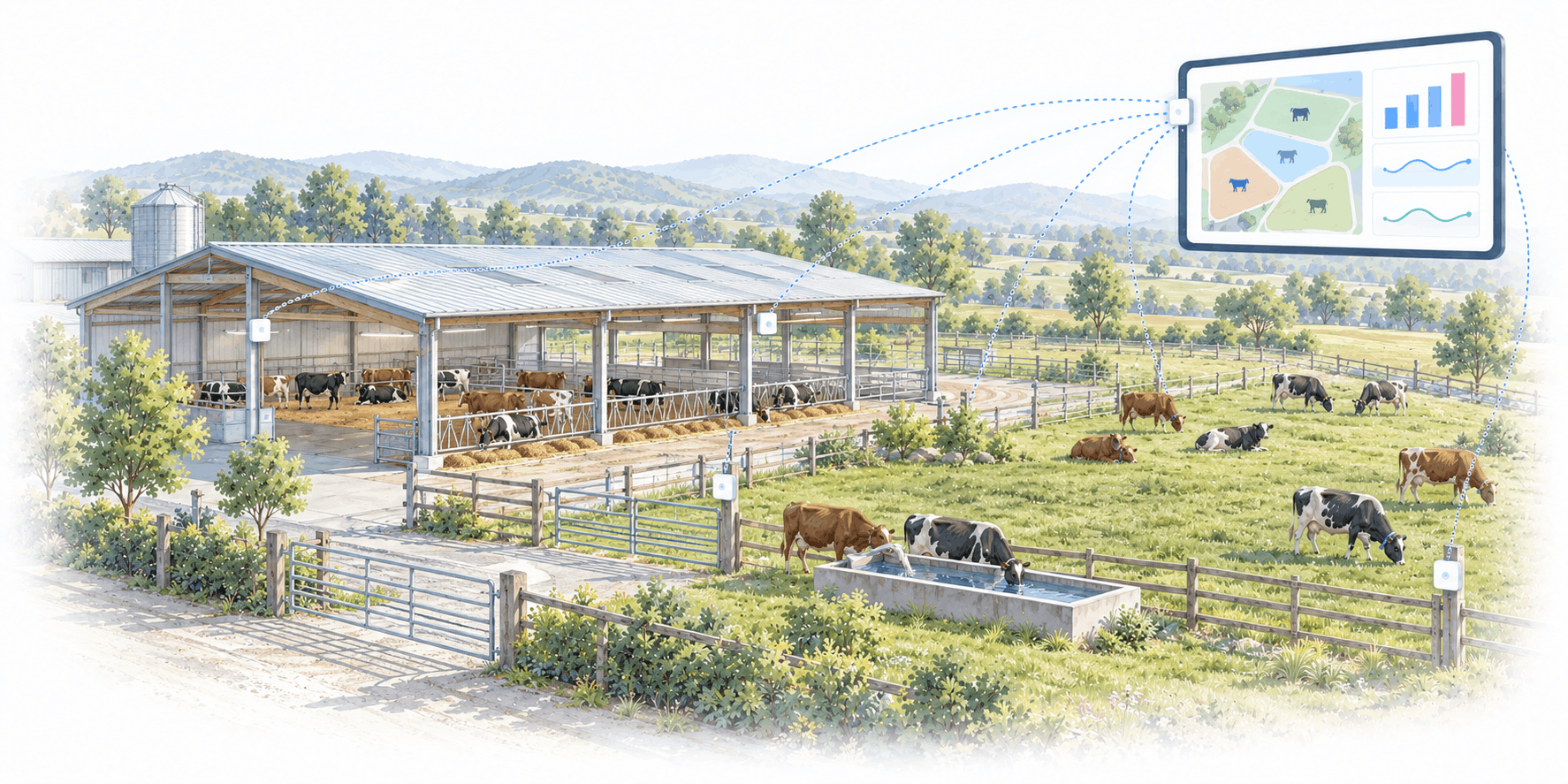
Cattle monitoring
Monitor cattle presence and movement between zones, with insights and alerts that help identify changes in animal behaviour.
Explore solution →
Personnel monitoring
Monitor staff presence and movement between facility zones to support safety, coordination, and accountability.
Explore solution →Technical specifications
| Model number | WNG-30-ETH |
|---|---|
| Communication interface | wanwave LPWAN, Ethernet |
| Power supply | External 12 V, 15 W |
| Enclosure rating | IP68 |
| Operating conditions | -40°C to +80°C |
| Dimensions | 150 × 130 × 60 mm |
| Weight | 450 g |
Connectivity & integration
Receives device transmissions over wanwave LPWAN and uses Ethernet for its uplink. Requires a wired Ethernet network connection and an external 12 V, 15 W power supply. Includes GNSS support, OTA firmware updates, a one-minute control-message interval, and reception-level and noise-level monitoring.
Documents
Product datasheet (PDF) →
What do you need to monitor or protect?
Tell us about your operation, the information you need, and the decisions it should support. We’ll discuss suitable technologies, integration requirements, and a practical next step.